



Introduction
A balanced global economic system is vital for sustainable growth and financial stability. When a single currency, such as the U.S. dollar, dominates international trade and finance, it gives one nation disproportionate economic power over others. This imbalance can lead to vulnerabilities in global markets. As fluctuations in that currency’s value or its country’s monetary policy can have worldwide repercussions so is it Bitcoin a unified currency in a divided world?
In a world fractured by politics, ideology, and inequality, the idea of a unified global currency seems both utopian and inevitable. As digital economies grow and borders become more symbolic than physical, economists and technologists alike are revisiting the question: Can a single, borderless currency truly unify the world—or will it deepen existing divides?
Challenges of Single Currency Dominance
Relying heavily on one currency limits the financial independence of other nations. Developing countries, in particular, face challenges such as higher borrowing costs, inflation pressures, and reduced control over exchange rates. Such dependence creates instability and inequality in the global financial structure.
Promoting a Multipolar Currency System
A diverse and multipolar currency system would help distribute economic influence more fairly and reduce systemic risks. Promoting regional currencies, digital currencies, and stronger financial cooperation among nations can create a more resilient international framework. Institutions like the IMF and World Bank should encourage balanced currency use to prevent overdependence on any single one.
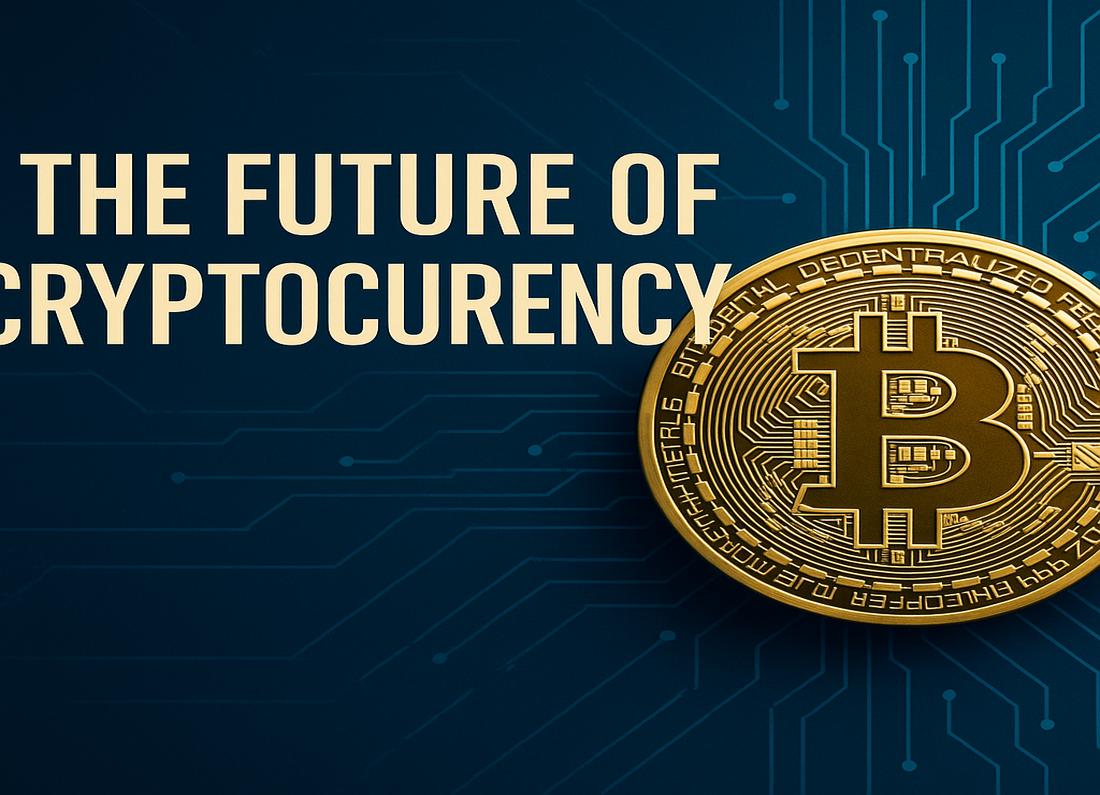
Bitcoin A Unified Currency
The rise of Bitcoin and decentralized finance as attempts to create a global monetary system.
The risks of centralization vs. the dream of financial equality.
How AI and blockchain could redefine the meaning of “currency” itself.
In a world fractured by politics, ideology, and inequality, the idea of a unified global currency seems both utopian and inevitable. As digital economies expand and physical borders lose significance, economists and technologists are once again exploring whether a single, borderless currency could simplify trade and promote equality.
Proponents argue that a global currency could eliminate exchange rate instability, reduce transaction costs, and empower developing nations by leveling the financial playing field. With the rise of cryptocurrencies and blockchain-based systems, the dream of universal financial integration feels closer than ever before.
Conclusion
Ultimately, a stable and equitable global economy depends on diversity in monetary systems. By ensuring that no single currency dominates, the world can move toward a fairer, more stable, and more cooperative economic future.









Leave a Reply