


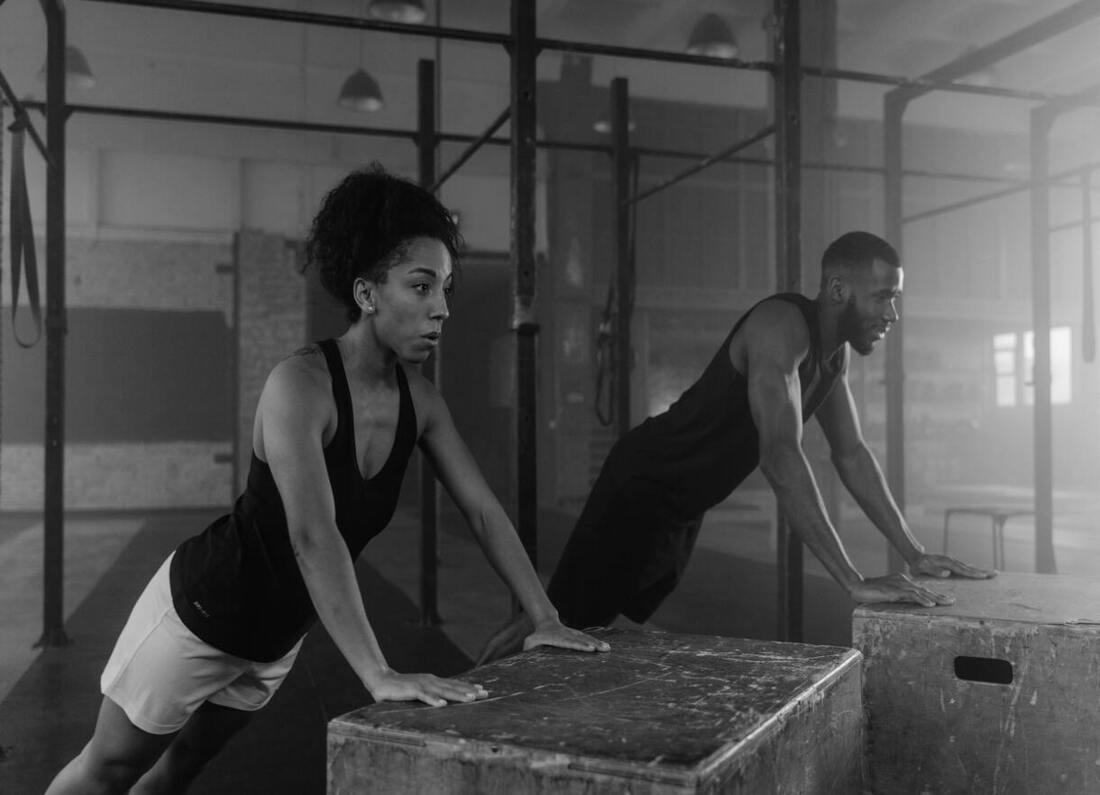
Traditional workouts often focus on aesthetics, emphasizing specific muscles over overall movement quality. Functional training, however, is revolutionizing fitness by teaching the body to move efficiently in everyday life. Exercises mimic real-world actions like lifting, bending, pushing, and twisting, strengthening the body in practical ways. Equipment like kettlebells, resistance bands, medicine balls, and stability balls are commonly used to enhance dynamic movements.
Core stability, balance, and flexibility are emphasized, reducing injury risk while improving overall strength. For instance, a squat combined with a rotational twist works multiple muscle groups simultaneously, mirroring movements encountered in sports or daily tasks.
For decades, many fitness routines have focused primarily on aesthetics—isolating muscles to sculpt a “mirror-perfect” physique. However, functional training is changing the game. Instead of concentrating solely on looks, it teaches the body to move efficiently and safely in real-life situations. By mimicking everyday actions like lifting, bending, twisting, and pushing, functional training strengthens the body in practical, adaptable ways.
Tools and Techniques
Functional workouts often use versatile equipment to enhance movement quality and strength:
- Kettlebells
- Resistance bands
- Medicine balls
- Stability balls
These tools encourage dynamic, multi-muscle exercises that improve core stability, balance, and flexibility. For example, a squat with a rotational twist engages the legs, core, and obliques simultaneously—mirroring motions encountered in daily activities, sports, and outdoor adventures. This multi-dimensional approach reduces injury risk while building holistic strength.
Why Functional Fitness Appeals to Everyone
Trainers highlight that functional training is suitable for beginners, athletes, and older adults alike. Unlike workouts focused only on appearance, functional fitness emphasizes:
- Mobility and flexibility
- Endurance and stamina
- Strength applicable to daily life
- Balance and coordination
By preparing the body for real-life movements, functional training not only improves athletic performance but also enhances everyday activities like carrying groceries, climbing stairs, or playing with children.
Adaptive and Holistic Workouts
One of the key benefits of functional training is its adaptability. Participants can modify intensity, duration, and movements to match their fitness levels and goals. Whether it’s a home workout using resistance bands or a gym session with kettlebells, the approach is customizable, scalable, and safe.
This holistic approach has led to its widespread adoption in gyms, personal training, and online fitness programs. Modern fitness enthusiasts now prioritize strength, agility, and resilience over purely aesthetic goals, making functional training a sustainable choice for long-term health.
Fitness for Real Life
Functional training is redefining what it means to be fit. By focusing on movement efficiency, adaptability, and practical strength, it equips the body for everyday life, sports, and adventure. Unlike traditional workouts that isolate muscles, functional fitness emphasizes whole-body coordination, making it the cornerstone of modern, health-focused training.










Leave a Reply