


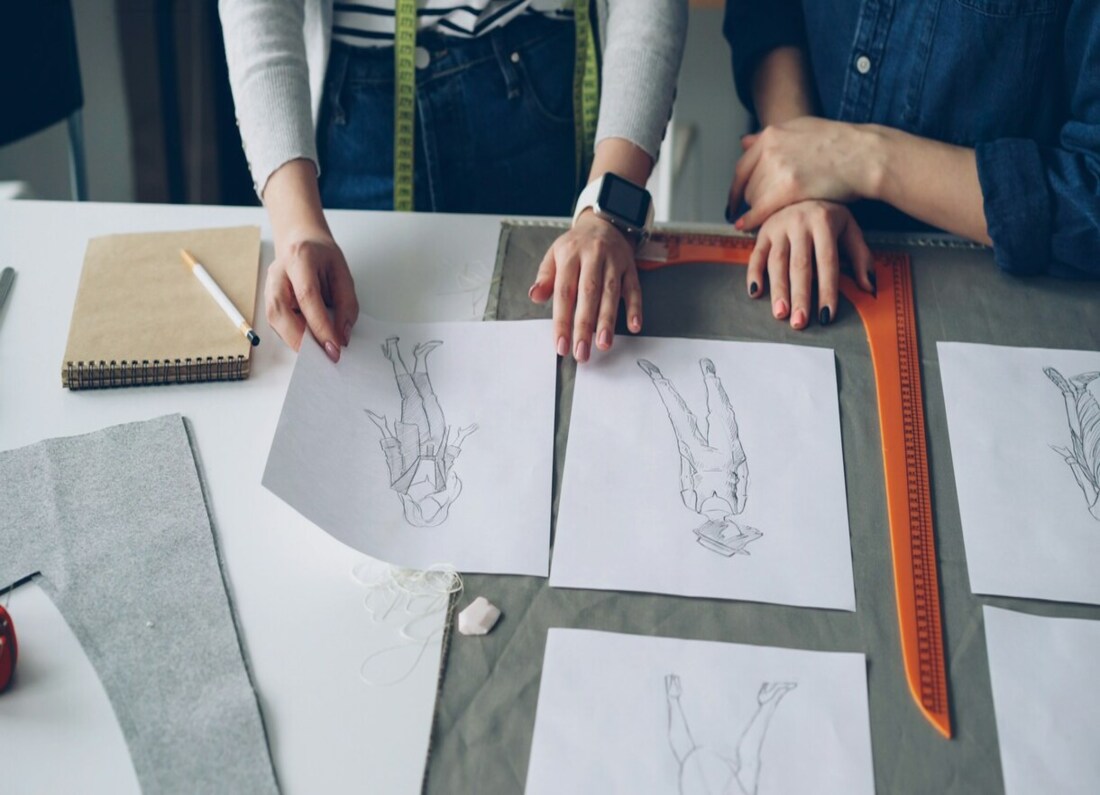
Drawing is no longer just a childhood activity; adults worldwide are rediscovering the drawing for stress relief and creative benefits. The act of sketching, doodling, or creating detailed illustrations helps reduce stress, improve focus, and enhance mindfulness. Psychologists explain that drawing activates brain regions associated with meditation and relaxation. The repetitive motions of sketching allow the mind to enter a flow state, where stress naturally diminishes, and creativity flourishes.
Adults are increasingly using tools like coloring books, digital tablets, and sketch journals as part of their daily wellness routines. Moreover, drawing encourages personal expression without judgment. Unlike social media posts or work projects, sketches are private and fluid, giving adults a safe space to experiment and express emotions visually.
Drawing for Stress Relief
Psychologists explain that drawing activates brain regions linked to meditation, focus, and relaxation. The repetitive motions involved in sketching or coloring allow the mind to enter a flow state, where stress naturally diminishes and creativity flourishes.
Tools like coloring books, digital tablets, sketch journals, and pencils have become popular ways for adults to integrate drawing into daily life. Even short drawing sessions of 10–20 minutes can significantly improve mental clarity and emotional well-being.
Personal Expression
One of the biggest advantages of drawing as an adult is the freedom to express oneself without judgment or external pressure. Unlike social media posts, work projects, or structured creative classes, sketches are private and fluid. Adults can explore emotions visually, experiment with ideas, and engage in self-reflection through art.
This process helps individuals process feelings, reduce anxiety, and enhance self-awareness, turning drawing into a form of active meditation.
Community and Social Connection
Drawing is no longer just a solitary activity. Community-driven art initiatives, online challenges, and virtual workshops make it easy for adults to share their work, seek inspiration, and stay motivated. Social interaction around drawing encourages collaboration and skill sharing, making the hobby both therapeutic and socially engaging.
These communities foster creativity, support, and accountability, helping adults maintain consistent drawing habits as a form of self-care.
Conclusion:
Drawing has evolved into a powerful stress-relief tool for adults, combining personal expression, mindfulness, and social engagement. Whether through sketching, coloring, or digital illustration, adults are finding joy and balance by reconnecting with this creative practice. It proves that art isn’t just for children—it’s a lifelong path to relaxation, focus, and emotional health.












Leave a Reply