


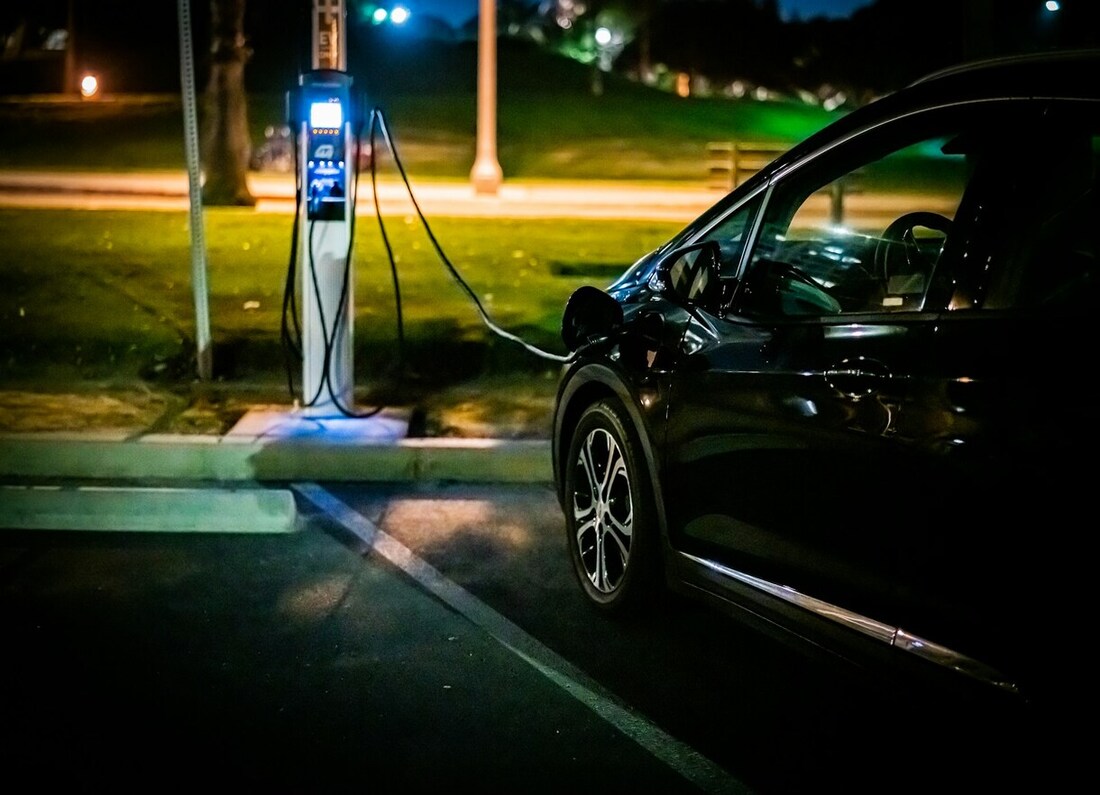
Electric Vehicle Market
The electric vehicle market is accelerating at an unprecedented pace. Over the last decade, the cost of EV batteries has dropped dramatically, making these vehicles increasingly affordable for mainstream buyers. Advances in technology, supportive government policies, and growing environmental awareness are fueling this global shift toward electric mobility.
Why EV Battery Prices Matter
Battery cost is one of the largest factors affecting the price of an electric vehicle. As battery technology improves and production scales, prices have fallen sharply, making EVs competitive with traditional internal combustion engine cars.
- Lower Costs: More affordable EVs mean a broader range of consumers can make the switch.
- Longer Range: Improved batteries allow vehicles to travel longer distances on a single charge.
- Faster Charging: Modern batteries support rapid charging, reducing downtime for drivers.
Government Incentives and Infrastructure
Governments worldwide are encouraging EV adoption through:
- Tax credits and rebates for EV purchases
- Subsidies for battery manufacturing and research
- Investment in public charging infrastructure
- Regulations phasing out gasoline-powered vehicles
These measures are helping overcome initial adoption barriers and making EV ownership more convenient and appealing.
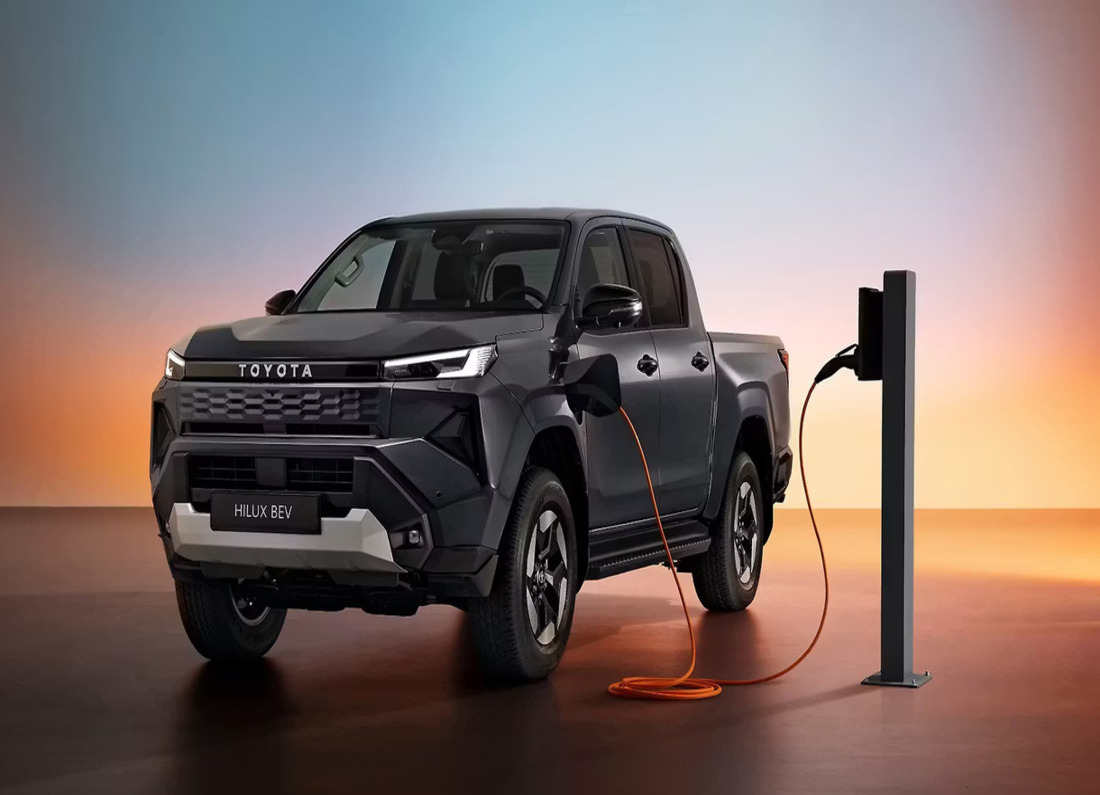
Electric Vehicle Market
Electric vehicles play a vital role in reducing greenhouse gas emissions. By replacing gasoline or diesel engines with electric motors, EVs help lower air pollution, reduce dependence on fossil fuels, and support global climate targets.
With many countries committing to net-zero emissions by 2050, EVs are expected to become a key part of sustainable transportation strategies.
EV Market Trends
- Longer-Range Models: Automakers are producing vehicles that can travel over 400 miles per charge.
- Lower Maintenance Costs: Fewer moving parts and regenerative braking systems reduce maintenance requirements.
- Luxury and Mass Market Options: EVs are no longer limited to niche markets; both premium and affordable models are available.
- Global Adoption: China, Europe, and North America are leading in EV sales, with developing countries also entering the market.
The Future
As battery technology continues to improve, EVs are expected to dominate the automotive industry within the next decade. Key developments to watch include:
- Solid-state batteries with higher energy density
- Wireless and ultra-fast charging solutions
- Integration with smart grids for sustainable energy management
- Expansion of autonomous electric vehicles
These innovations promise to make EVs more convenient, efficient, and environmentally friendly than ever before.
Conclusion
Falling battery costs, government incentives, and improved infrastructure are transforming electric vehicles from a niche option into a mainstream choice. With environmental awareness and technological advancements on the rise, EVs are set to revolutionize the automotive industry and define the future of mobility.









Leave a Reply